
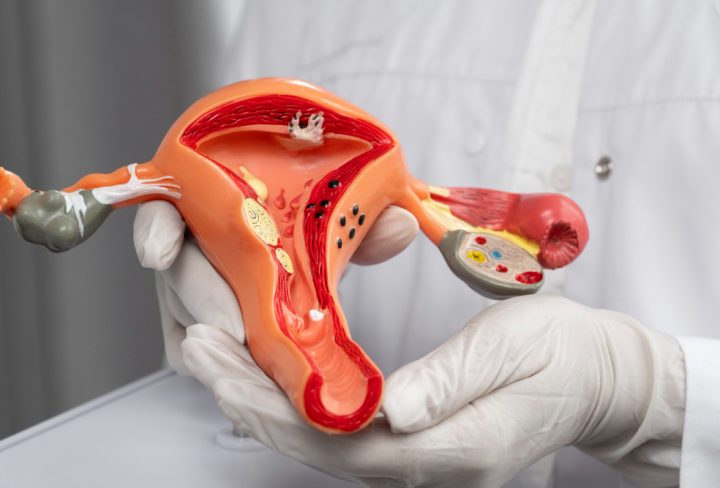
What is PCOS?
Polycystic Ovary Syndrome, or PCOS, is a common health problem. It affects women of childbearing age. In fact, PCOS can cause hormone changes in the body. Because of this, women may have irregular periods, extra hair growth, or trouble getting pregnant. According to the CDC, PCOS affects about 1 in 10 women. Although it can be managed, early diagnosis is important.
Common Symptoms of PCOS
PCOS symptoms can vary from person to person. However, some signs are more common. Knowing these can help you seek help early. For example, you may notice:
Sometimes, symptoms can be mild. But for others, they may be more severe. If you notice any of these signs, talk to your doctor.
Causes and Risk Factors
Doctors do not know the exact cause of PCOS. However, several factors can raise your risk. For instance, PCOS often runs in families. If your mother or sister has it, you may be more likely to get it too. Also, high levels of male hormones (androgens) can play a role. These hormones can stop the ovaries from working as they should.
Other risk factors include:
Because these factors can add up, it is important to know your family history and talk to your doctor about your risks.
How PCOS is Diagnosed
Many people ask, “How is PCOS diagnosed?” Doctors use a few steps. First, they will ask about your symptoms and medical history. Next, they may do a physical exam. Often, your doctor will check for extra hair growth, acne, or weight changes.
To confirm PCOS, your doctor may order:
Not every woman with PCOS has cysts on her ovaries. Still, these tests help rule out other causes. Early diagnosis can help you start treatment sooner.
Treatment Options for PCOS
There are many PCOS treatment options. Your doctor will suggest what works best for you. Usually, treatment depends on your symptoms and if you want to get pregnant. For example, some women may need medicine, while others benefit from lifestyle changes.
Medical Treatments
Lifestyle Changes
Because every woman is different, your doctor will help you choose the right plan.
Tips for Managing PCOS
Managing PCOS naturally is possible for many women. While medicine can help, healthy habits are important too. Here are some tips:
Because small changes can make a big difference, start with one or two tips and build from there.
Prevention and Long-Term Outlook
Currently, there is no sure way to prevent PCOS. However, healthy habits can lower your risk. For example, keeping a healthy weight and staying active can help. Over time, PCOS can raise the risk of diabetes, heart disease, and other problems. So, regular check-ups are important.
With the right care, most women with PCOS can lead healthy lives. Early treatment can also lower the risk of long-term problems.
When to See a Doctor
If you notice symptoms of PCOS, do not wait. Early help can make a big difference. Consult a healthcare specialist for personalized advice on PCOS. They can guide you on the best steps for your health.