
Introduction to Ultrasound in Pregnancy
Ultrasound in pregnancy is a safe and common test. It uses sound waves to create pictures of your baby inside the womb. Because it is painless and does not use radiation, many doctors recommend it. Early in pregnancy, ultrasound helps confirm the baby’s growth and health. Later, it checks the baby’s position and development. For many parents, ultrasound is an exciting first look at their baby.
Importance and Benefits of Ultrasound for Expecting Parents
Ultrasound in pregnancy offers many benefits. First, it helps doctors check your baby’s health. Also, it can spot problems early. This means doctors can act quickly if needed. In addition, ultrasound can:
Because of these benefits, ultrasound is a key part of prenatal care.
Types of Ultrasounds Used During Pregnancy
There are two main types of ultrasound in pregnancy. Each type has its own use. First, there is the transabdominal ultrasound. In this test, a device moves over your belly. It is the most common type. Second, there is the transvaginal ultrasound. Here, a small probe goes inside the vagina. Doctors use this type early in pregnancy or if they need a closer look. Sometimes, special ultrasounds like 3D or Doppler are used for more details.
When and How Often Are Ultrasounds Performed?
Most women have at least two ultrasounds during pregnancy. Usually, the first is done between 6 and 9 weeks. This early scan checks for the baby’s heartbeat and confirms the due date. Next, a detailed scan happens around 18 to 22 weeks. This scan looks at the baby’s organs and growth. Sometimes, doctors may suggest more ultrasounds if there are concerns. However, the number of scans depends on your health and your baby’s needs.
What to Expect During an Ultrasound Appointment
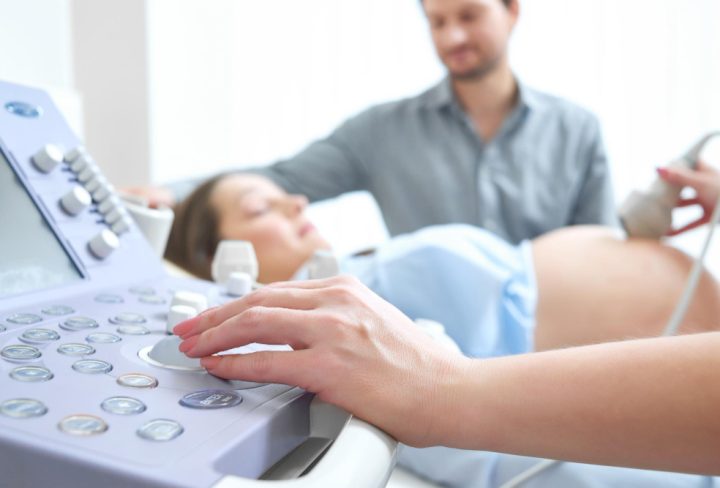
Before your ultrasound, you may be asked to drink water. A full bladder helps get clearer pictures. During the test, you will lie on a table. A gel is spread on your belly to help the device move smoothly. The technician moves a small tool over your skin. You may see your baby on a screen. The test usually takes 20 to 30 minutes. Afterward, you can go back to your normal activities. For a transvaginal ultrasound, the process is a bit different, but it is still safe and quick.
Safety of Ultrasound in Pregnancy
Many parents worry about pregnancy ultrasound safety. According to the World Health Organization, ultrasound in pregnancy is safe when used by trained professionals. It does not use radiation, so there is no risk of harm to you or your baby. However, doctors recommend only having ultrasounds when needed. This helps avoid unnecessary tests. Always follow your doctor’s advice about ultrasounds.
Common Findings and How Results Are Interpreted
After the ultrasound, a doctor reviews the images. They look for your baby’s heartbeat, size, and movement. Also, they check the placenta and amniotic fluid. If something looks unusual, your doctor will explain what it means. Sometimes, more tests are needed. But often, ultrasound results show that your baby is healthy and growing well.
Frequently Asked Questions About Pregnancy Ultrasounds
Tips for Preparing for an Ultrasound
By preparing, you can help the test go smoothly.
Conclusion
In summary, ultrasound in pregnancy is a safe and helpful tool. It gives important information about your baby’s health and growth. If you have questions or concerns, consult your obstetrician or gynecologist for personalized advice on ultrasounds during pregnancy.