
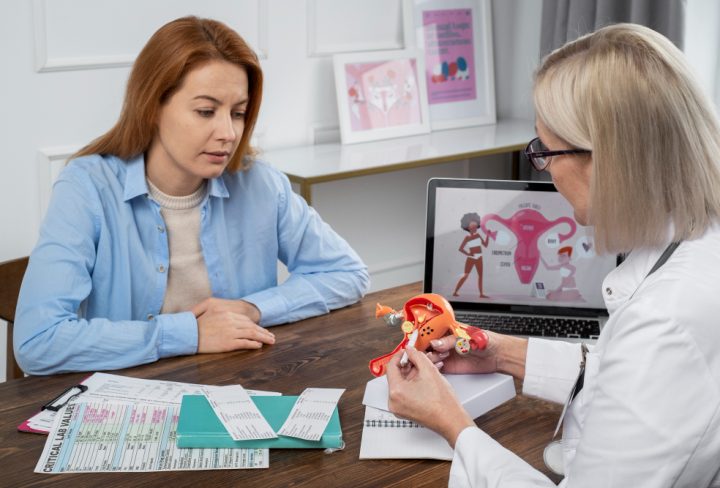
What is Cervical Cancer Screening?
Cervical cancer screening checks for changes in the cells of the cervix. The cervix is the lower part of the uterus. Early screening helps find problems before they turn into cancer. Most women have heard about the Pap smear test and HPV testing. Both are important tools in women’s health screening. Cervical cancer screening can save lives by finding cancer early.
Importance of Early Detection
Early detection of cervical cancer gives the best chance for a cure. When found early, treatment is often simpler and more effective. In fact, regular screening can even prevent cancer by finding changes before they become serious. According to the World Health Organization (WHO), screening has greatly reduced cervical cancer rates in many countries. Therefore, it is important for women to get screened as recommended.
What is a Pap Smear?
A Pap smear, also called a Pap test, checks for abnormal cells on the cervix. During the test, a healthcare provider gently collects cells from the cervix. These cells are then checked under a microscope. If abnormal cells are found, they can be treated before they turn into cancer. The Pap smear test is quick and usually not painful. Most women can return to normal activities right after the test.
What is HPV Testing?
HPV testing looks for the human papillomavirus (HPV) in cervical cells. HPV is a common virus that can cause cervical cancer. Not all types of HPV are harmful, but some can lead to cancer over time. The test is often done at the same time as a Pap smear. If high-risk HPV is found, your doctor may suggest more tests or closer follow-up. HPV testing is a key part of modern cervical cancer screening.
Who Should Get Screened and When?
Screening guidelines may vary by country. However, most experts, including the Centers for Disease Control and Prevention (CDC), recommend:
Always talk to your doctor about what is best for you. Some women may need more frequent screening due to health risks.
How to Prepare for Screening
Preparing for a Pap smear or HPV test is simple. Still, a few steps can help get the best results:
These steps help ensure the test results are accurate. If you have questions, ask your healthcare provider before your appointment.
What to Expect During and After the Tests
During the test, you will lie on an exam table. The doctor will use a small tool called a speculum to gently open the vagina. Then, a soft brush or spatula collects cells from the cervix. The process takes only a few minutes. You may feel mild discomfort, but it should not hurt. After the test, you can go back to your normal routine. Some women notice light spotting, but this is normal and goes away quickly.
Understanding Results and Next Steps
Test results usually come back within a few weeks. There are three main outcomes:
Remember, an abnormal result does not mean you have cancer. It means your doctor wants to check things more closely. Early follow-up can prevent problems later.
Prevention Tips and Lifestyle Guidance
Besides regular cervical cancer screening, you can lower your risk with healthy habits. Here are some tips:
These steps support your overall women’s health and help prevent cervical cancer.
In summary, regular cervical cancer screening with Pap smear and HPV testing is vital for women’s health. Early detection saves lives. If you have questions or need to schedule a screening, consult your healthcare provider today.