
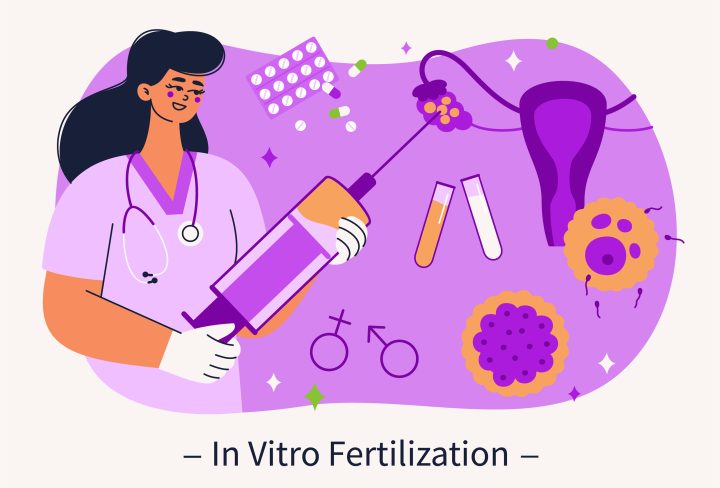
Many couples face challenges when trying to have a baby. The IVF treatment process offers hope to those struggling with infertility. IVF, or in vitro fertilization, is a common fertility treatment. This blog explains the IVF treatment process step-by-step. It helps you understand what to expect and how to prepare. If you are considering IVF or want to know more about IVF procedure steps, this guide is for you.
What is IVF?
IVF stands for in vitro fertilization. It is a medical process that helps people have a baby. During IVF, eggs and sperm are combined outside the body. Then, doctors place the fertilized egg (embryo) into the uterus. Many people ask, “How does IVF work?” Simply put, IVF helps when natural pregnancy is hard to achieve.
Who Needs IVF?
Not everyone needs IVF. However, some people may benefit from this treatment. IVF is often suggested for:
For some, IVF is the best option after other treatments have not worked.
Step 1: Initial Consultation and Assessment
First, you meet with a fertility specialist. During this visit, the doctor reviews your medical history. They may order tests to check your fertility. These tests help find the cause of infertility. After that, the doctor explains your options and answers your questions. This step is important because it helps create a plan just for you.
Step 2: Ovarian Stimulation
Next, the doctor prescribes hormone medicines. These medicines help your ovaries produce more eggs. Normally, a woman releases one egg each month. But with IVF, more eggs are needed. You will have regular check-ups and ultrasounds. These visits help the doctor monitor your progress. Sometimes, blood tests are also done to check hormone levels.
Step 3: Egg Retrieval
When your eggs are ready, the doctor schedules the egg retrieval. This is a minor procedure. You receive medicine to help you relax. Then, the doctor uses a thin needle to collect eggs from your ovaries. The process usually takes less than 30 minutes. Afterward, you rest for a short time before going home.
Step 4: Sperm Collection and Preparation
On the same day as egg retrieval, a sperm sample is needed. The sperm can come from your partner or a donor. The lab team prepares the sperm to select the healthiest ones. This step is important for successful fertilization.
Step 5: Fertilization and Embryo Culture
Now, the eggs and sperm are combined in the lab. The goal is to create embryos. The lab team watches the embryos for a few days. They look for the healthiest ones. Sometimes, a special technique called ICSI is used. In ICSI, a single sperm is injected into an egg. This helps when sperm quality is low.
Step 6: Embryo Transfer
After a few days, the best embryo is chosen for transfer. The doctor places the embryo into your uterus using a thin tube. This step is quick and usually painless. You may rest for a short time after the procedure. The hope is that the embryo will attach and grow into a pregnancy.
Step 7: Pregnancy Test and Follow-Up
About two weeks after the embryo transfer, you take a pregnancy test. This test checks if the embryo has implanted. If the test is positive, you will have follow-up visits. The doctor will monitor your early pregnancy. If the test is negative, the doctor will discuss next steps with you.
Risks and Success Rates
IVF is safe for most people, but there are some risks. These include:
Success rates depend on age, health, and other factors. According to the CDC, women under 35 have about a 40% chance of success per cycle. For women over 40, the chance is lower. Every person is different, so results may vary.
Tips for a Smoother IVF Journey
Going through IVF can be stressful. However, there are ways to make the process easier:
Remember, every IVF journey is unique. With the right support, you can feel more confident and prepared.
For more information, visit reliable sources like the CDC or WHO.
Consult a fertility specialist for personalized advice on IVF treatment.