
Introduction
Ovarian cancer is a type of cancer that starts in the ovaries. These are small organs in a woman’s lower belly. Often, this cancer is found at a late stage. Because of this, treatment can be challenging. One important treatment is called debulking surgery. In this blog, we will explain “Ovarian Cancer: The Role of Debulking Surgery.” We will also discuss why it matters, how it is done, and what to expect during recovery. Understanding your options can help you make informed choices.
What is Ovarian Cancer?
Ovarian cancer happens when cells in the ovaries grow out of control. These cells can form a lump called a tumor. Sometimes, the cancer spreads to other parts of the body. Early signs can be hard to notice. For example, symptoms may include bloating, belly pain, or feeling full quickly. Because these signs are common, many women do not realize they have ovarian cancer until it is advanced. According to the World Health Organization, ovarian cancer is one of the most common cancers in women worldwide.
Understanding Debulking Surgery
Debulking surgery is a main treatment for ovarian cancer. During this surgery, doctors remove as much of the tumor as possible. The goal is to leave behind very little or no visible cancer. Sometimes, doctors also remove nearby tissues or organs if the cancer has spread. This surgery is often the first step before other treatments, such as chemotherapy. In many cases, debulking surgery can improve the chances of successful treatment.
Why Debulking Surgery is Important in Ovarian Cancer
Debulking surgery plays a key role in treating ovarian cancer. When most of the tumor is removed, other treatments work better. For example, chemotherapy can target smaller amounts of cancer more easily. Studies show that women who have successful debulking surgery often live longer. In addition, removing the tumor can help reduce symptoms and improve quality of life. Therefore, doctors usually recommend this surgery when possible.
How Debulking Surgery is Performed
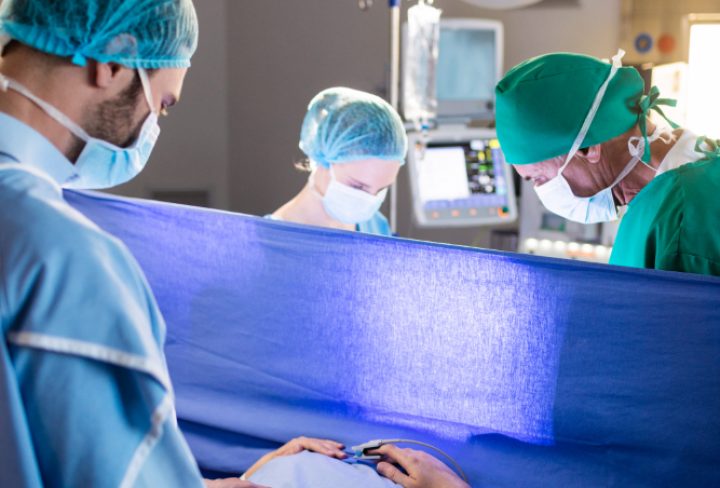
Doctors perform debulking surgery in a hospital. First, you receive medicine to help you sleep during the operation. Next, the surgeon makes a cut in your belly to reach the ovaries. The doctor then removes as much cancer as possible. This may include:
Sometimes, doctors use special tools for a less invasive approach. However, open surgery is more common for advanced cases. After surgery, you will stay in the hospital for a few days to recover.
Benefits and Risks of Debulking Surgery
Like all treatments, debulking surgery has both benefits and risks. It is important to know both before making a decision.
However, most women recover well with proper care. Your doctor will discuss your personal risks and benefits before surgery.
Recovery and Aftercare
After debulking surgery, recovery takes time. You may feel tired and sore for several weeks. But, following your doctor’s advice can help you heal faster. Here are some tips for a smoother recovery:
In addition, you may need more treatment, such as chemotherapy, after surgery. Your care team will guide you through each step. Remember, support from family and friends can also help during recovery.
Frequently Asked Questions
Conclusion
In summary, debulking surgery is a key part of ovarian cancer treatment. It can help remove most of the cancer and improve your chances of recovery. However, every patient is different. Consult a gynecologic oncologist for personalized advice about ovarian cancer and debulking surgery.