
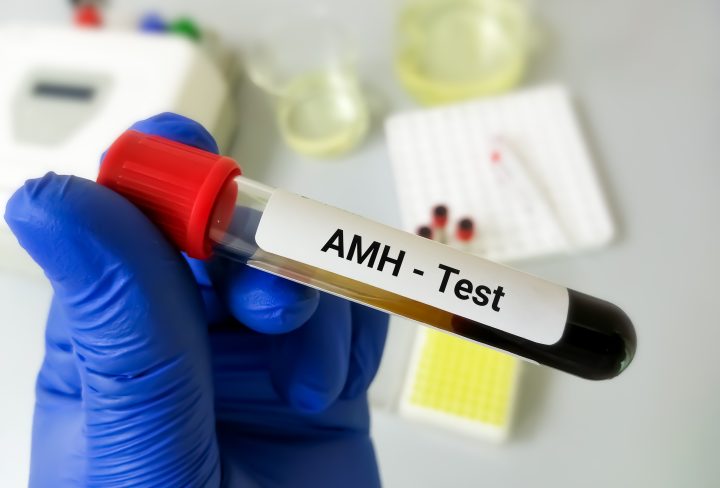
What Is the AMH Test?
The AMH test, or anti-Müllerian hormone test, is a simple blood test. It measures the amount of AMH in your blood. Doctors use this test to check a woman’s egg supply, also called ovarian reserve. Because AMH levels reflect the number of eggs left, this test is important in fertility testing. Many clinics now offer the AMH test to help women understand their reproductive health.
Why Is the AMH Test Important?
Knowing your AMH levels can help you make informed choices about your future. For example, if you are planning to have children, the AMH test gives you a better idea of your fertility. In addition, it can help your doctor spot problems early. The AMH test is important for several reasons:
Because of these reasons, the AMH test is a key part of fertility testing for many women.
Who Should Consider an AMH Test?
Not everyone needs an AMH test. However, some women may benefit more than others. For instance, you might consider the test if you:
Before taking the test, it is best to talk with your doctor. They can help you decide if the AMH test is right for you.
How Is the AMH Test Performed?
The AMH test is quick and easy. First, a healthcare provider draws a small amount of blood from your arm. Next, the blood sample goes to a lab for testing. You do not need to fast or prepare in any special way. Results are usually ready within a few days. Because the AMH level does not change much during your cycle, you can take the test at any time.
Benefits and Limitations of the AMH Test
Like any medical test, the AMH test has both benefits and limits. Understanding both can help you make better choices.
Benefits
Limitations
Therefore, while the AMH test is helpful, it should be used along with other tests and medical advice.
Frequently Asked Questions About the AMH Test
Conclusion and Next Steps
In summary, the AMH test is an important tool for understanding fertility and reproductive health. It helps women and their doctors make informed decisions about family planning and treatment. However, it is only one part of the bigger picture. For the best advice, consult a qualified gynecologist or fertility specialist about whether the AMH test is right for you.