
Introduction
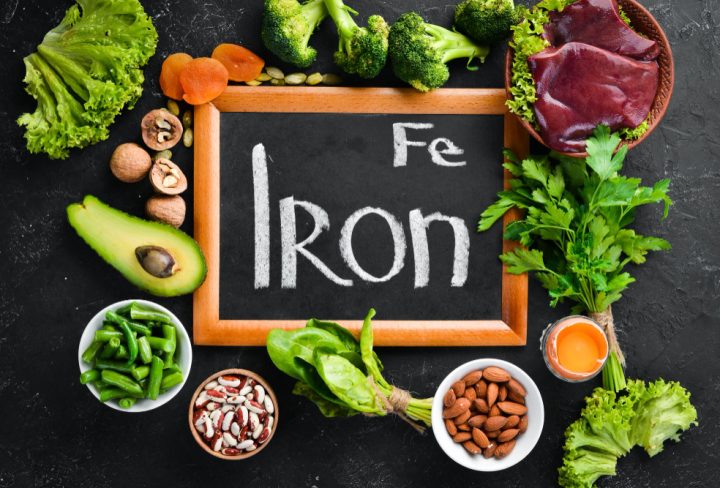
An iron-rich diet for Indian women is essential for good health. Iron helps carry oxygen in the blood. Many Indian women do not get enough iron. This can lead to tiredness and weakness. Because of monthly blood loss and pregnancy, women need more iron than men. Eating the right foods can help prevent iron deficiency and anemia. In this blog, you will find practical options for adding iron to your daily meals.
Why Indian Women Need Iron
Iron is a mineral that helps your body make healthy red blood cells. Without enough iron, your body cannot carry enough oxygen. As a result, you may feel tired or weak. Indian women are at higher risk of iron deficiency. This is due to factors like heavy periods, pregnancy, and vegetarian diets. According to the World Health Organization (WHO), anemia is common among Indian women. Therefore, eating iron-rich foods is very important for women’s health.
Symptoms of Iron Deficiency
Iron deficiency can affect your daily life in many ways. For example, you may notice:
If you have these symptoms, it is important to talk to your doctor. Early treatment can help you feel better soon.
Top Iron-Rich Foods in Indian Diet
There are many iron-rich foods for Indian women. You can choose from both vegetarian and non-vegetarian options. Here are some of the best iron-rich foods for Indian women:
Including these foods in your meals can help prevent iron deficiency in Indian women.
How to Improve Iron Absorption
Sometimes, your body does not absorb all the iron from food. However, you can boost iron absorption with simple tips:
These steps can help your body use more of the iron you eat.
Sample Iron-Rich Meal Plan
Here is a simple meal plan for a day. It includes the best iron-rich foods for Indian women:
This meal plan is easy to follow and uses common Indian foods.
Prevention and Lifestyle Tips
To keep your iron levels healthy, try these tips:
With these steps, you can help prevent iron deficiency and anemia.
Conclusion
In summary, an iron-rich diet for Indian women is key to good health. Eating the right foods and following simple tips can make a big difference. If you have symptoms of iron deficiency, do not wait. Consult a healthcare professional for personalized dietary advice.
References: World Health Organization (WHO), Centers for Disease Control and Prevention (CDC)